
bet 585 | Jueteng: The Underworld Lottery and Its Socio-Economic Impact
Explore the nuances of Jueteng, an illegal numbers game in the Philippines, examining its operations, socio-economic impact, and ongoing legal challenges, with a focus on popular betting combinations like 'bet 585'. de bet 585
Understanding Jueteng: A Closer Look at the Underground Lottery
Jueteng, a popular form of illegal numbers game in the Philippines, has been a staple in many Filipinos' lives for decades. Despite its illegality, it remains prevalent, mainly due to deep-rooted social and economic factors. The game offers a glimpse into the complex layers of Philippine society where legality, morality, and survival often intersect.WIN606
The Mechanics of Jueteng
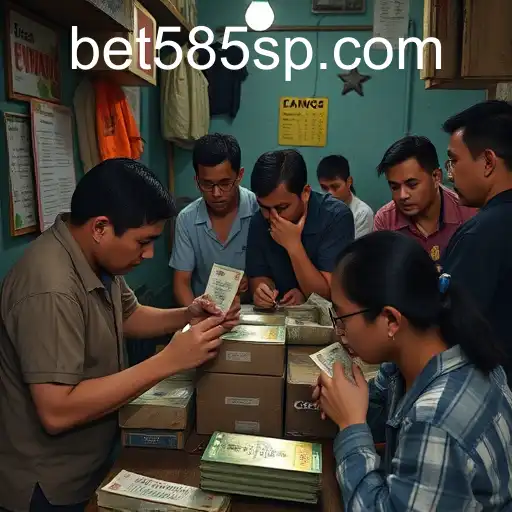
Jueteng operates similarly to a lottery. It involves picking a combination of numbers, usually ranging from 1 to 37. A common bet is on three numbers, known colloquially as 'bet 585', referring to an example of a betting combination one might choose. Participants typically place their bets through a network of collectors or "kubradores" who roam neighborhoods taking small bets. The draw is held at undisclosed locations, with results often communicated discreetly among those in the know.7622.COM
The Lure of Jueteng
The attraction of Jueteng lies in its accessibility and the promise of instant cash. For many Filipinos, it offers a glimmer of hope amidst economic hardship. With small minimum bets and the potential for significant winnings, it becomes an alluring pastime. People bet on combinations like '585' based on personal meaningful numbers such as birthdays, anniversaries, or dreams. Jueteng thrives in areas where legal gambling is inaccessible or unaffordable, making it a fixture in rural and urban communities alike.55 HH
Economic Impacts
Jueteng circulates millions of pesos daily, contributing significantly to the shadow economy. It provides a source of income not just for betters but also for those involved in its operation, from the top-tier controllers to the kubradores. While critics argue that it reinforces poverty, proponents assert that it provides economic opportunities in communities where legitimate employment is scarce.
Social Dynamics
The game is deeply ingrained in the cultural fabric of many Filipino communities. It serves as a social activity that brings neighbors together, creating a network of communal participation and shared excitement over the outcome of each draw. Typically associated with lower-income groups, the game's impact transcends economic classes, with some wealthier individuals secretly participating, drawn by the game's mystique and potential for high returns.HHbet
Legal Challenges
Despite its prevalence, Jueteng remains illegal under Philippine law. Efforts to eradicate it have met with varying success, often hindered by local corruption and the protection of influential figures who benefit from its proceeds. Law enforcement often faces criticism for inconsistent enforcement, with allegations of complicity at various levels, making it difficult to mount a successful crackdown.
Efforts Toward Legalization
Some sectors argue for the legalization of Jueteng, suggesting that regulating it could bring much-needed revenue to the government and reduce the influence of illegal operators. Others fear that legalization might not curtail corruption and could exploit vulnerable populations further. The debate continues, reflecting the complex interplay of economics, law, and ethics surrounding Jueteng.61T.com
Alternatives and Solutions
Solutions proposed often involve community-driven approaches to offer legal and sustainable employment alternatives. These initiatives highlight the importance of addressing the root causes of poverty to diminish Jueteng's grip on economically disadvantaged communities. By providing education and job opportunities, they aim to offer viable alternatives to gambling in search of financial relief.
Technology and Modernization
With the rise of mobile technology, betting practices are also shifting. Some systems now allow bets to be placed and results received via mobile devices, making Jueteng even more accessible and challenging to regulate. This adaptation to modern technology showcases its resilience and the evolving challenges faced by those attempting to curb its spread.
Cultural and Psychological Aspects
Jueteng is more than just a game of chance; it reflects a deeper psychological need for hope and the belief in luck as a transformative force. The practice speaks to the human desire for control over uncertainty, especially in environments where life is often dictated by forces beyond one's control. The ritual of selecting numbers and the anticipation of results provide a sense of agency and excitement.
The Role of Media and Advocacy
Media coverage and advocacy have played pivotal roles in bringing attention to Jueteng's social implications. Documentaries, reports, and campaigns have highlighted the plight of those caught in the cycle of poverty and gambling. These efforts aim to foster awareness and drive public discourse toward more equitable solutions.
Conclusion
Jueteng continues to be a deeply embedded aspect of Philippine society. Its persistence highlights the intricate relationship between legality, livelihood, and culture. While debates on its future continue, Jueteng remains a testament to the resourcefulness and resilience of those who find themselves participants in this underground lottery. For now, 'bet 585' and others like it remain a symbol of both the challenges and complexities surrounding this enduring practice. Visit our homepage for more insights into similar societal issues.
